LMS
LMS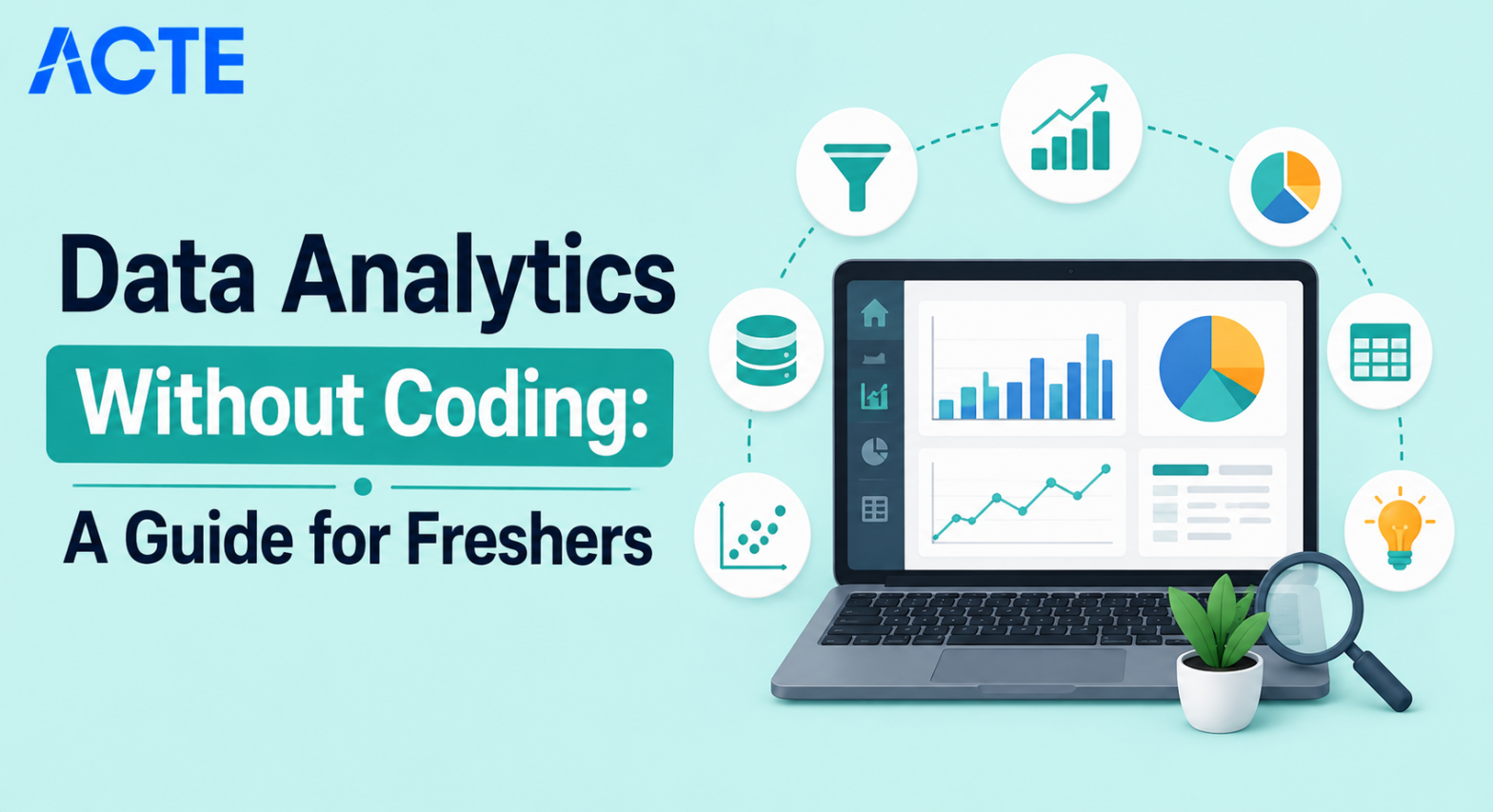
Last updated on 03rd Jun 2026| 7960

- Introduction Data Science Internship Experience
- Transitioning Academic Knowledge to Practical Tasks
- Handling Real-World Messy Data
- Collaborating with Cross-Functional Teams
- Building Machine Learning Models for Production
- Communicating Technical Findings to Stakeholders
- Adapting to Agile Workflows and Deadlines
- Gaining Confidence and Industry Readiness
- Conclusion
Introduction Data Science Internship Experience
In this tech-world, data is everywhere from your social media activities to how much money you have spent and even how much food you’ve thrown into your compost bin! The great thing about my data science internship experience is that it allows you to take all of that raw data, and turn it, literally, into usable and logical information that will help solve many issues we have today. If you are just getting started with Data Science at this point, just learning algorithms and tools will not be enough in our Data Science Training. The only way to truly understand Data Science is to use the tools and algorithms, on real-world problems. This provides you with the confidence you need to be an analytical thinker and the skills required to become an industry-ready professional. Below are some great examples of beginner-friendly and industry-relevant experiences that you can complete, that also have real-world applications. Not only will these experiences help you understand how data science can be used in different industries, for example media, finance, health care, agriculture and customer service; they will also give you the strong foundation that you will need in order to move from being a theoretical analyst to a pragmatic analyst solving real-world problems.
Transitioning Academic Knowledge to Practical Tasks
Transitioning Academic Knowledge to Practical Tasks is a data science experience that focuses on determining whether or not your classroom learning can be applied to real problems through practical methods in our Data Analytics Training. Academic theory is a big requirement in this day and age of digital information and there are so many ways to access educational resources extremely rapidly. Most of this information is theoretical which makes the issue of practical application a serious one. Transitioning aims to aid in solving the theory gap by creating a method of applying similar attributes of classroom lessons automatically by analyzing business requirements and determining if it is useful. The transition process uses technical skills to analyze business data and extract context, relationships and patterns associated with the company goals. The intern is initially trained on academic datasets containing both clean and structured examples so there will be a distinction between textbook data and real data when the internship is completed. The process uses coding to convert theory into practice along with a decision algorithm such as problem-solving. Once adapted, the intern can classify incoming tasks as either familiar or unfamiliar by using the learned pattern. Less Theoretical Confusion More Practical Industry Readiness. The experience provides exposure to Data Preparation, Real-World Constraints, and Professional Concepts.
Handling Real-World Messy Data
- Data Collection and Messy Sources: Handling Real-World Messy Data begins with collecting large amounts of raw business data. This data is gathered from company databases, user logs, and APIs. It includes missing values, duplicate records, and incorrect formats. This raw data is the foundation for building accurate models.
- Pattern Identification in Data Errors: After collecting data, the next step is finding patterns in data errors. Data scientists analyze missing values like null entries and inconsistent text trends. These patterns help understand how data corruption repeats over time. This makes future data cleaning more reliable and structured.
- Machine Learning for Data Cleaning: Python libraries are used to predict and fill missing values based on past data in our Data Science Training. These models learn relationships between clean variables and messy ones. This helps generate more accurate and data-driven datasets.
- Real-World Applications in Business Analysis: Handling messy data is very important in business for planning data strategies. Companies use it to decide when to trust data and when to clean it. It also helps reduce error caused by unexpected data changes. This improves productivity and supports better decisions.
- Importance in Model Accuracy and Validation: Data cleaning plays a key role in predicting model performance like overfitting or underfitting. Early error detection helps data scientists take safety measures in advance. This reduces damage to model accuracy. It makes teams better prepared for extreme data conditions.
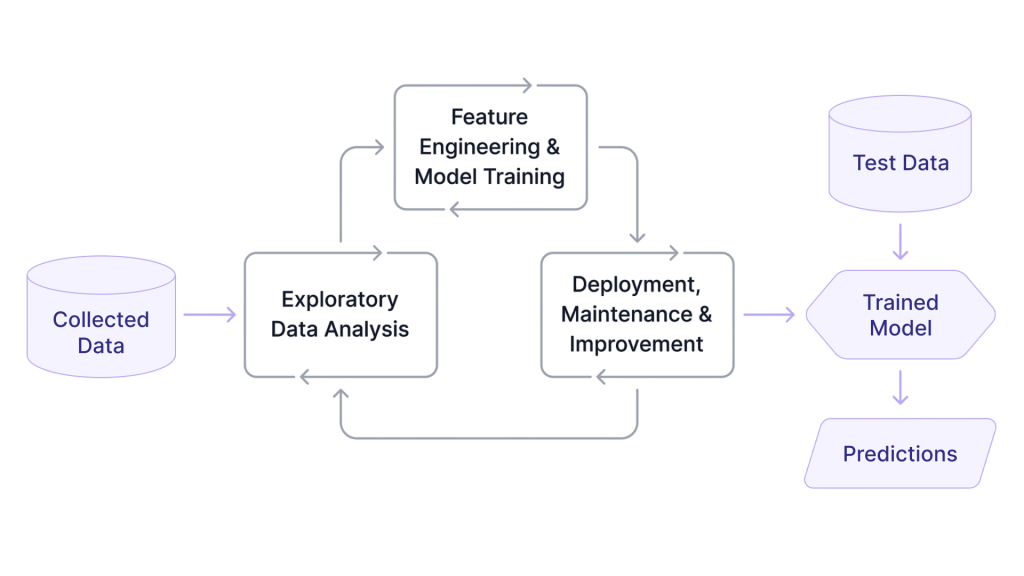
- Data Collection and Model Sources: Building Machine Learning Models begins with collecting large amounts of structured training data. This data is gathered from data warehouses, feature stores, and APIs. It includes user behavior, transaction records, and text inputs. This raw data is the foundation for production models.
- Pattern Identification in Model Training: After collecting data, the next step is finding patterns in model training. Data scientists analyze loss functions like accuracy drops and overfitting trends. These patterns help understand how model weights change over time. This makes future deployment more reliable and structured.
- Machine Learning for Production: Machine learning models are deployed to deliver real-time predictions using frameworks such as Flask, Docker, and FastAPI. These tools help integrate trained models into production environments, enabling scalable and reliable applications. Learn more about the Evolution of Data Science in the Age of AI and how AI is transforming modern business solutions.
- Real-World Applications in Automation: Production-ready machine learning models automate business processes such as customer support, recommendation systems, fraud detection, email automation, and demand forecasting. These applications reduce manual effort, improve efficiency, and support business growth.
- Importance in Business Scaling and Monitoring: Model deployment includes continuous monitoring to detect issues such as model drift, latency, and performance degradation. Proactive monitoring helps maintain prediction accuracy, improves user experience, and ensures machine learning systems remain reliable as business demands grow.
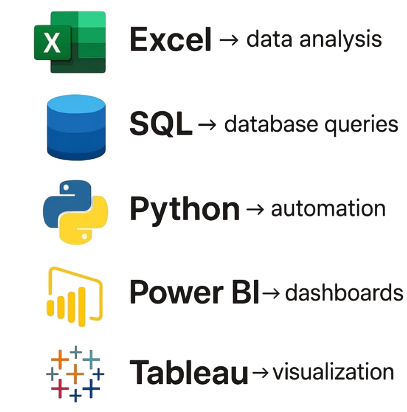
- Start with Excel: Excel data analytics for beginners provides a strong foundation. Freshers should master formulas, pivot tables, and charts.expolre more in Tableau Developer Roles and Responsibility
- Explore Power BI: Power BI without coding for freshers offers interactive dashboards. Beginners should practice building reports for real-world scenarios.
- Learn Tableau Basics: Tableau without coding for beginners emphasizes visualization. Freshers should design clear, impactful charts.
- Document Projects: No-code data analytics for freshers projects should be recorded in portfolios. This demonstrates readiness for professional roles.
- Understand Industry Relevance: Data analytics without programming for beginners highlights how no-code tools support digital transformation, making freshers valuable contributors.
Ready to Pursue Your Data Analytics Certificate? View The Data Science Course Training Offered By ACTE Right Now!
Collaborating with Cross-Functional Teams
Collaborating with cross-functional teams is an essential internship experience that helps freshers learn how to communicate effectively with both technical and non-technical stakeholders. Through regular interactions with business, marketing, finance, and IT teams, interns gain valuable experience in understanding business requirements, gathering feedback, prioritizing tasks, and translating project needs into actionable solutions. This collaborative approach improves teamwork, problem-solving, and decision-making while reducing communication gaps between departments. Developing these skills is just as important as technical expertise, making them one of the Must Have Data Science Skills For Freshers. By participating in meetings, documenting requirements, and supporting project execution, freshers build confidence in working within professional environments. This beginner-friendly experience strengthens communication, requirement gathering, stakeholder management, and interpersonal skills, preparing candidates for successful careers in data analytics and other data-driven roles.

Develop Your Skills with Data Data Science Course Training
Weekday / Weekend BatchesSee Batch DetailsBuilding Machine Learning Models for Production
Excited to Obtaining Your Data Analytics Certificate? View The Data Science Course Training Offered By ACTE Right Now!
Communicating Technical Findings to Stakeholders
Communicating technical findings to stakeholders is a valuable internship skill that enables freshers to present complex data insights in a clear and business-focused manner. Instead of relying on technical jargon, interns learn to translate analytics results into actionable recommendations using data storytelling, visualizations, and meaningful business metrics. Understanding the Role of Machine Learning in Data Science also helps explain how predictive models create business value for decision-makers. Through presentations, dashboards, and reports, interns develop the ability to simplify technical concepts, highlight key findings, and support informed decision-making. This beginner-friendly experience strengthens communication, data visualization, presentation, and stakeholder management skills, preparing candidates to confidently collaborate with business leaders and cross-functional teams.
Are You Considering Pursuing a Data Analytics Master’s Degree? Enroll For Data Science Expert Masters Program Training Course Today!
Actionable Insights for Freshers Using No-Code Tools
Set to Ace Your AWS Job Interview? Check Out Our Blog on Data Science Interview Questions & Answer
Comparative Perspectives on No-Code vs Traditional Analytics
Comparative perspectives on no-code and traditional analytics highlight the different paths available for aspiring data professionals and Building Data Analytics Portfolio as a Fresher. Data analytics without coding for freshers significantly lowers entry barriers, enabling beginners to analyze data and generate insights without extensive programming knowledge. In contrast, traditional analytics approaches often require proficiency in languages such as Python, R, or SQL. Data analytics without programming for beginners also emphasizes speed, allowing users to build reports, dashboards, and analyses quickly, whereas coding-based solutions may require additional development time. No-code data analytics for freshers offers flexibility across industries by leveraging user-friendly tools and drag-and-drop interfaces, while traditional programming provides greater customization and advanced analytical capabilities. Visualization is another major advantage of no-code platforms, with Excel data analytics for beginners, Power BI without coding for freshers, and Tableau without coding for beginners enabling users to create impactful dashboards and visual reports efficiently. End-to-end data analytics projects without coding help freshers develop business analysis and consulting skills, while coding-focused approaches often lead to specialized roles in data engineering, machine learning, and advanced analytics development.
Conclusion on Data Analytics Without Coding for Freshers
Data analytics without coding for freshers defines an accessible pathway into analytics careers. Data analytics without programming for beginners highlights how tools simplify workflows. No-code data analytics for freshers ensures that students can focus on insights rather than syntax. Excel data analytics for beginners provides foundational reporting skills. Power BI without coding for freshers emphasizes interactive dashboards, while Tableau without coding for beginners highlights visualization clarity in Data Analytics Training. End-to-end data analytics projects demonstrate mastery of complete workflows, preparing freshers for industry roles. Data analyst portfolio projects showcase abilities to employers, making candidates more competitive. Data visualization projects emphasize communication, ensuring insights are presented effectively. For freshers, engaging in no-code projects builds confidence, resilience, and adaptability. Ultimately, these projects serve as stepping stones toward successful careers in analytics, preparing graduates to thrive in diverse industries and contribute meaningfully to organizational decision-making.